
An island with an over 350 year old history
Formerly used for operational and residential purposes by the Finnish Coast Guard the buildings have now been transformed into warm, welcoming residences. The surrounding sea and archipelago nature remain the primary focus.
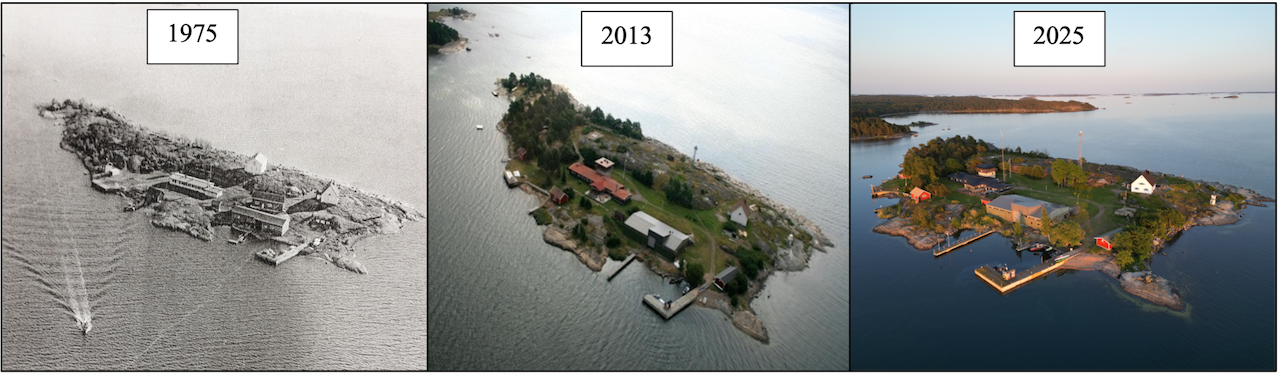
1600s
Swedish Crown established customs at Fagerholm Island
Fagerholm is an excellent place to monitor ship traffic. For more than 350 years, the island has been used by various authorities for various types of surveillance tasks.
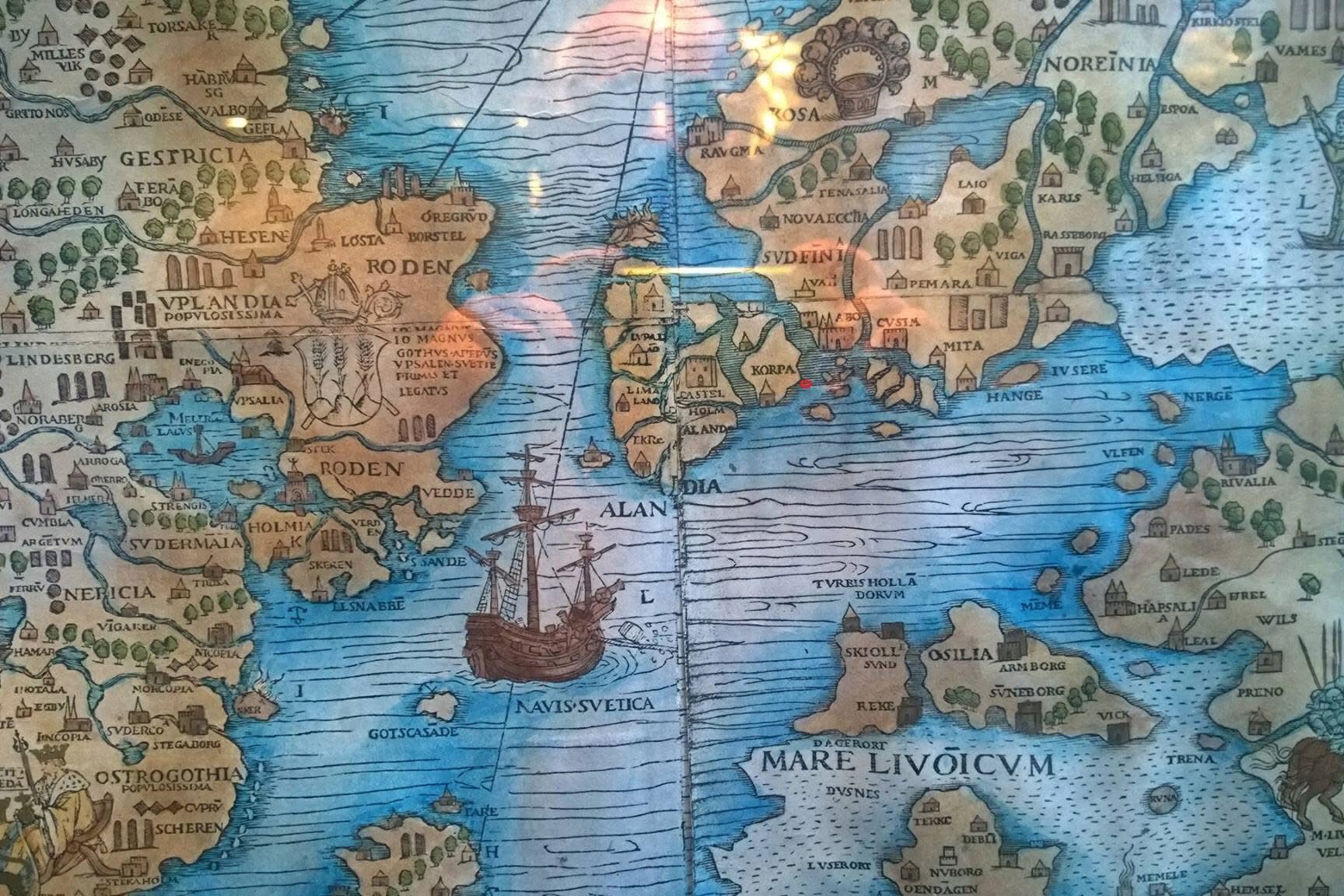
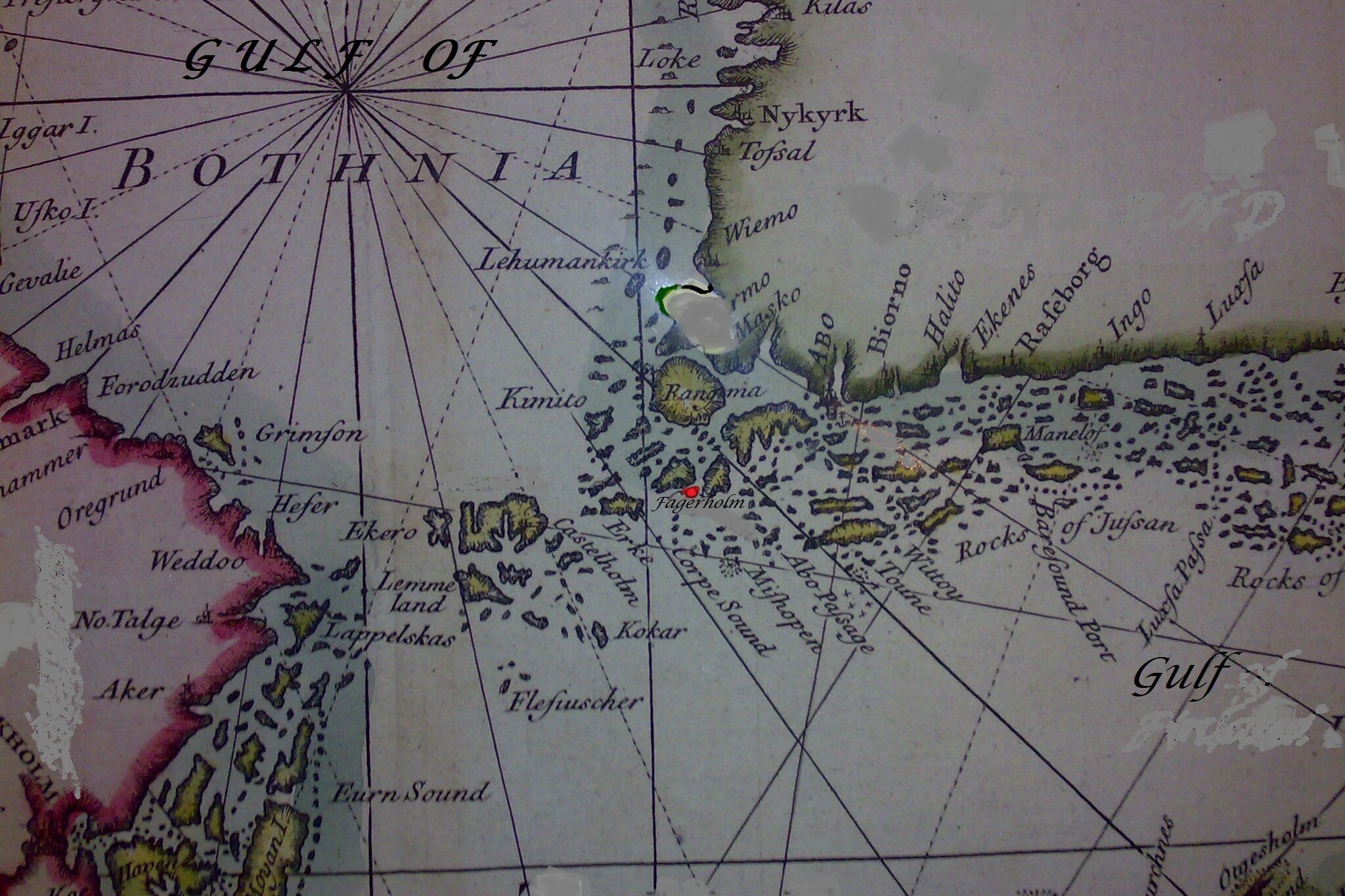
The island is strategically located at the junction of two important waterways that have served as trade routes for seafarers and traders for hundreds of years. Fagerholm has therefore always had a central importance for the activities of various authorities in the Turku (Åbo) archipelago.
The first customs officers most likely settled on Fagerholm in the 1630s at the latest. The first actual customs houses that are documented are the residential houses that the sea customs administrator Johan Hacks in Turku had built in the years 1698-1699. The houses were built of timber and with low stone foundations, which meant that they fell into disrepair and became uninhabitable in the early 18th century.
1700s
Finnish Republic built customs houses at Fagerholm
1728
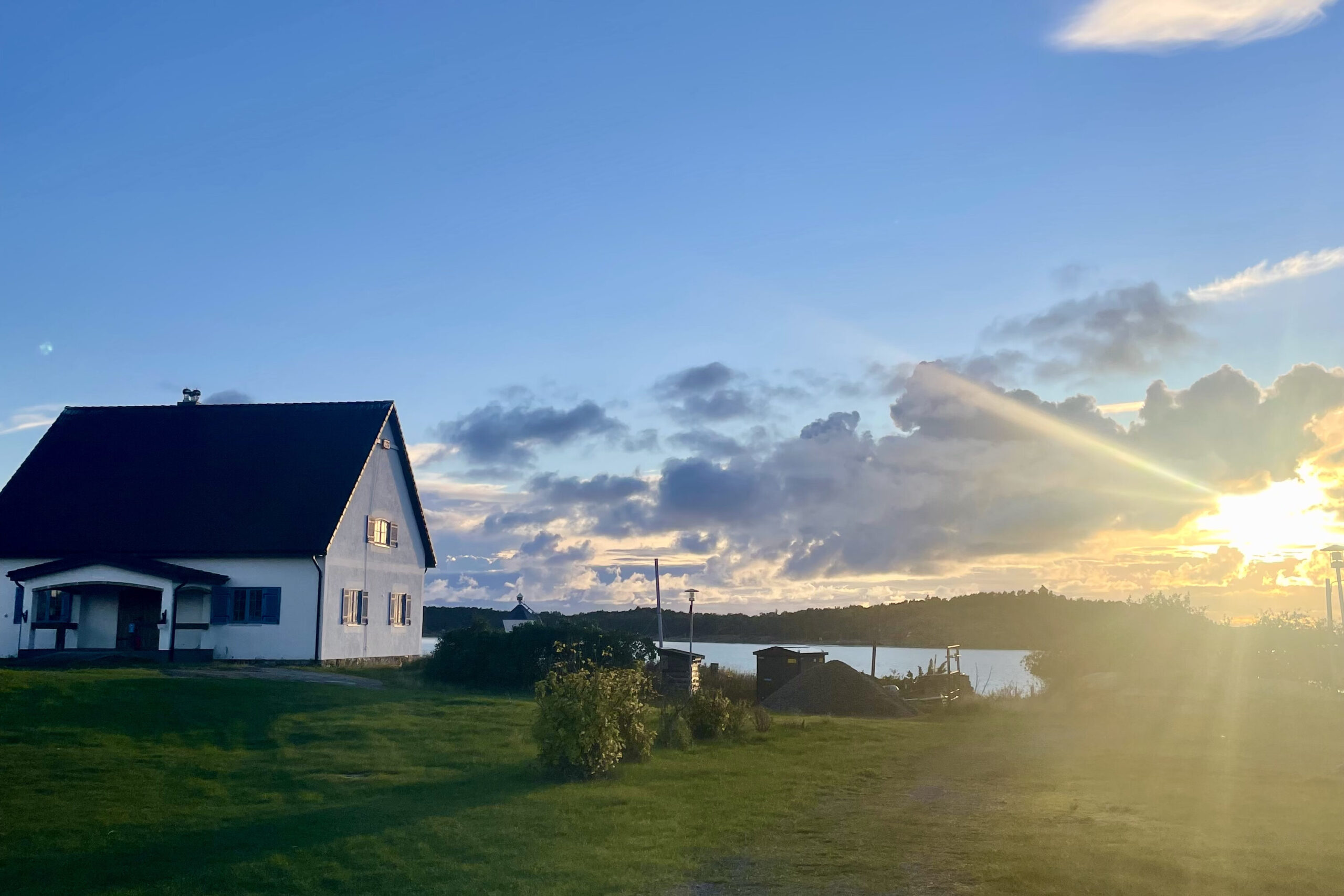
Oldest standing building at Fagerholm remains today
The oldest building on the island was built as a customs station and is a stone house with a steep roof, which could well also be a small chapel, but has been the old customs station.
The house was under the supervision of the Swedish Museum Agency as an ancient monument. It is stated that the house was built in 1728, but it is likely that the house was also somewhat rebuilt again in 1764 on the previous foundation, when the year of construction was recorded in the fire insurance which was drawn up in 1819.
The building is currently the second oldest building in the Turku archipelago region and remains protected and maintained as a heritage building until today.
1918
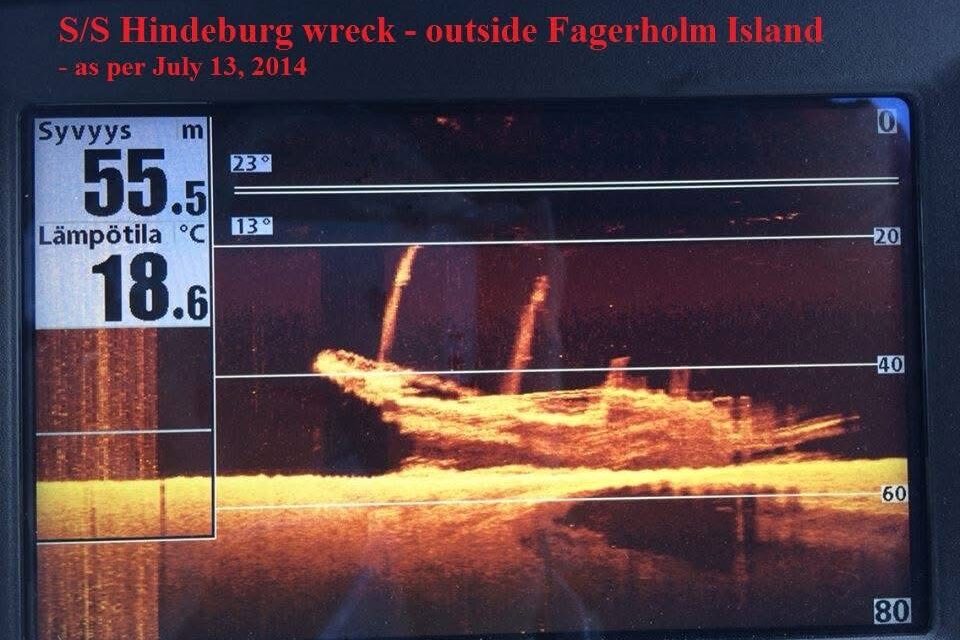
S/S Hindenburg sinks outside of Fagerholm
The Hindenburg was part of a larger convoy of freighters heading north. The ship was carrying Russian prisoners of war as well as work vehicles such as tractors, trucks and motorcycles to the German troops in the north. The journey across the Baltic Sea towards Utö went smoothly. However, at five before seven in the evening of November 17, the ship is shaken by a violent explosion in the boiler room. The Hindenburg begins to take on water and panic spreads. Some Russian prisoners of war die in connection with the explosion. The escorting escort ships release their dive bombs, believing that the Hindenburg has been attacked by a submarine. It later turns out that it was not a submarine attack, but that a mine exploded and the Hindenburg hit its explosive charge. It was probably the Russian submarine L3 that had laid some individual mines southwest of Utö. The convoy splits up and the other ships steer quickly inland. Hindenburg loses control but there is no immediate danger of her sinking. During the tow north, problems arise. The tow wire becomes entangled in the tug’s propeller. The ship runs aground at Snökobb, halfway between Fagerholm and Utö. The Hindenburg is struck and the crew is evacuated. The prisoners of war who have been confined in the holds make their way out onto the deck. Chaos and general disorder breaks out as the Russians try to save themselves in fear that the ship will sink. The German guards open fire to calm the situation. Some information has claimed that tens of prisoners of war would have died in connection with the accident. The prisoners of war are transferred to the waiting ships and the attempt to save the Hindenburg continues. They manage to get her afloat from the ground and continue the tow north. But the sinking and the grounding have caused large holes in the hull. The water rushes in and the impact side increases. In a last desperate attempt, the tug turns to port to pull the Hindenburg into shallower water in the bay between Lohm and Killingholm. In vain. The ship breaks in two and at a quarter to six in the evening on November 19, the Hindenburg sinks in the middle of the fairway between Lohm and Fagerholm.
This wreck is truly unique and remains there today, 51 metres long and 13 metres wide, with many fascinating details. The depth is between 37-47 metres. Diving is strictly prohibited.
1945
Coast guard set up station at Fagerholm
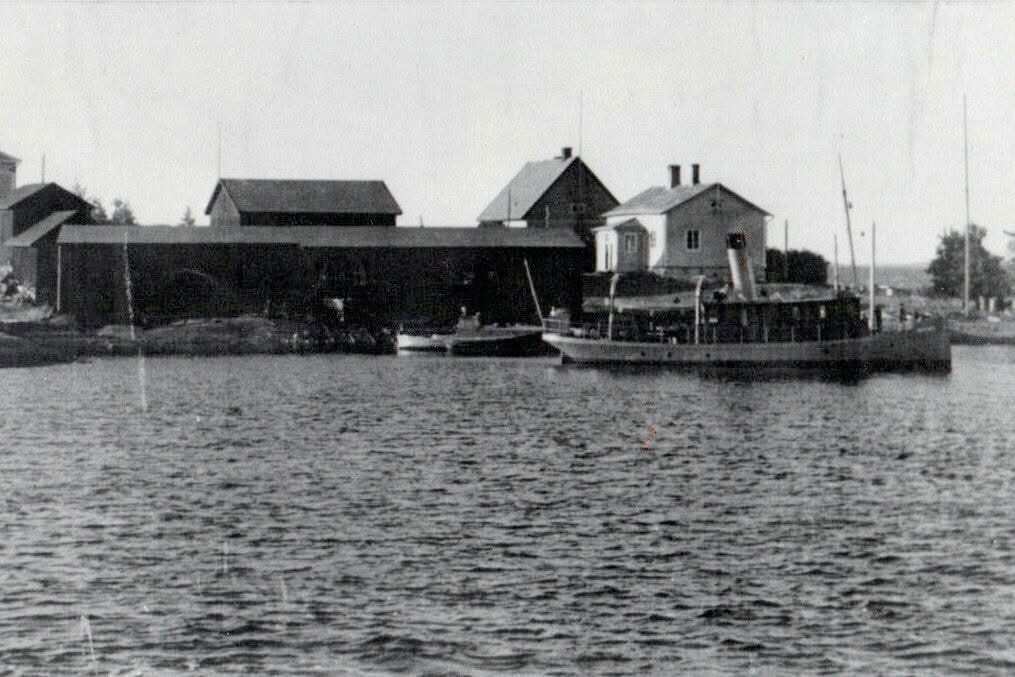
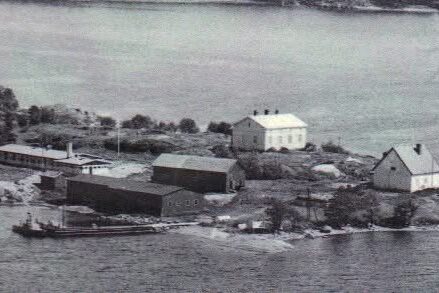
When the customs operations were re-organized at the end of the 1920s and the authorities tried to curb the increasing smuggling of alcohol, it was natural that the newly founded Swedish Maritime Administration got a station on the former customs island dating back to the 17th century.
In 1931, the customs station at Fagerholm, including buildings and personnel, was also transferred to the sea guard.
1960s
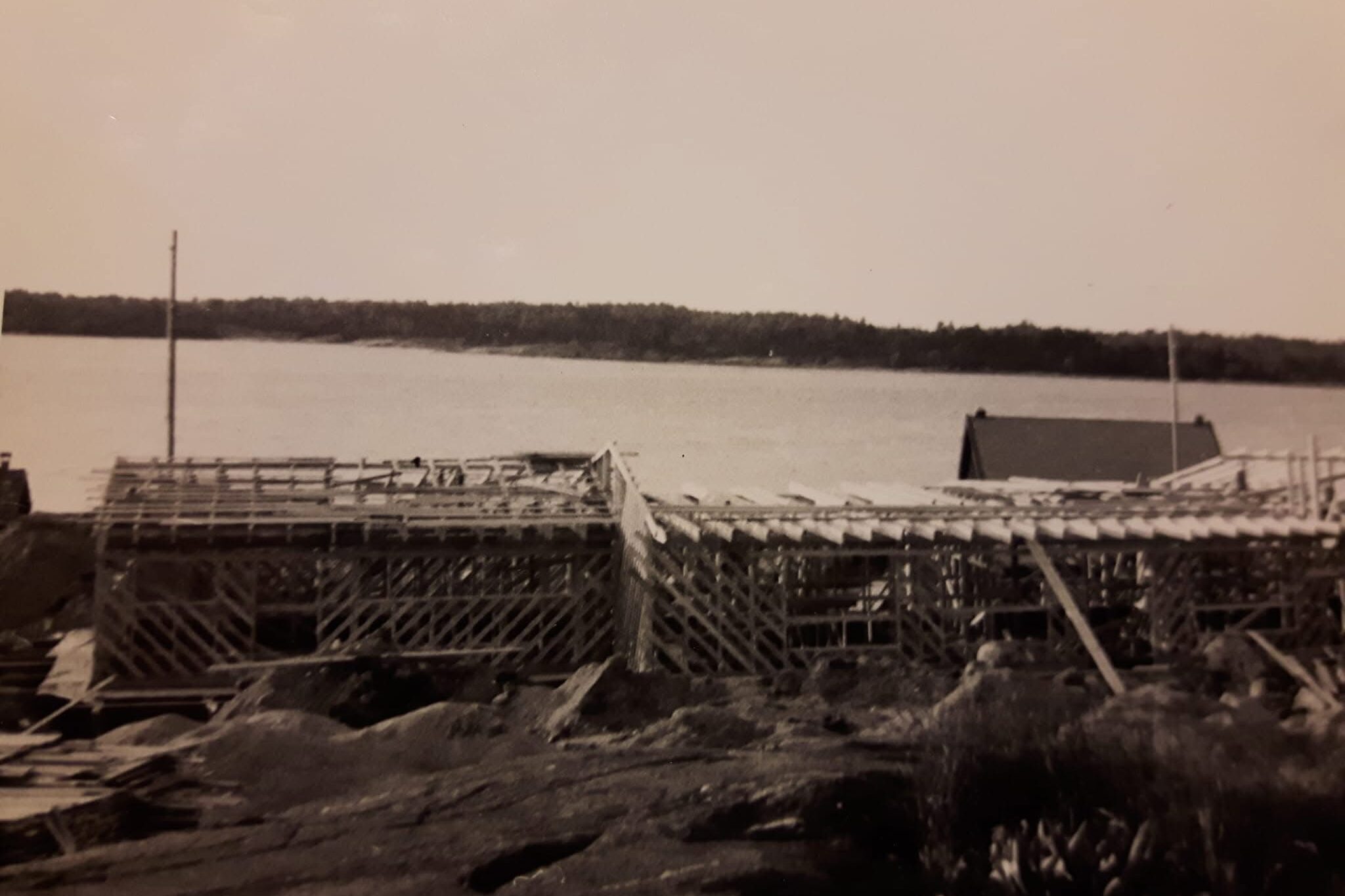
Coast guard accommodation was built
The lifeguards enjoyed themselves on Fagerholm and for the unmarried young women on the neighboring islands it was exciting to make new acquaintances in the form of handsome young men in uniform. At least three lifeguards found their wives on Snäckö north of Fagerholm.
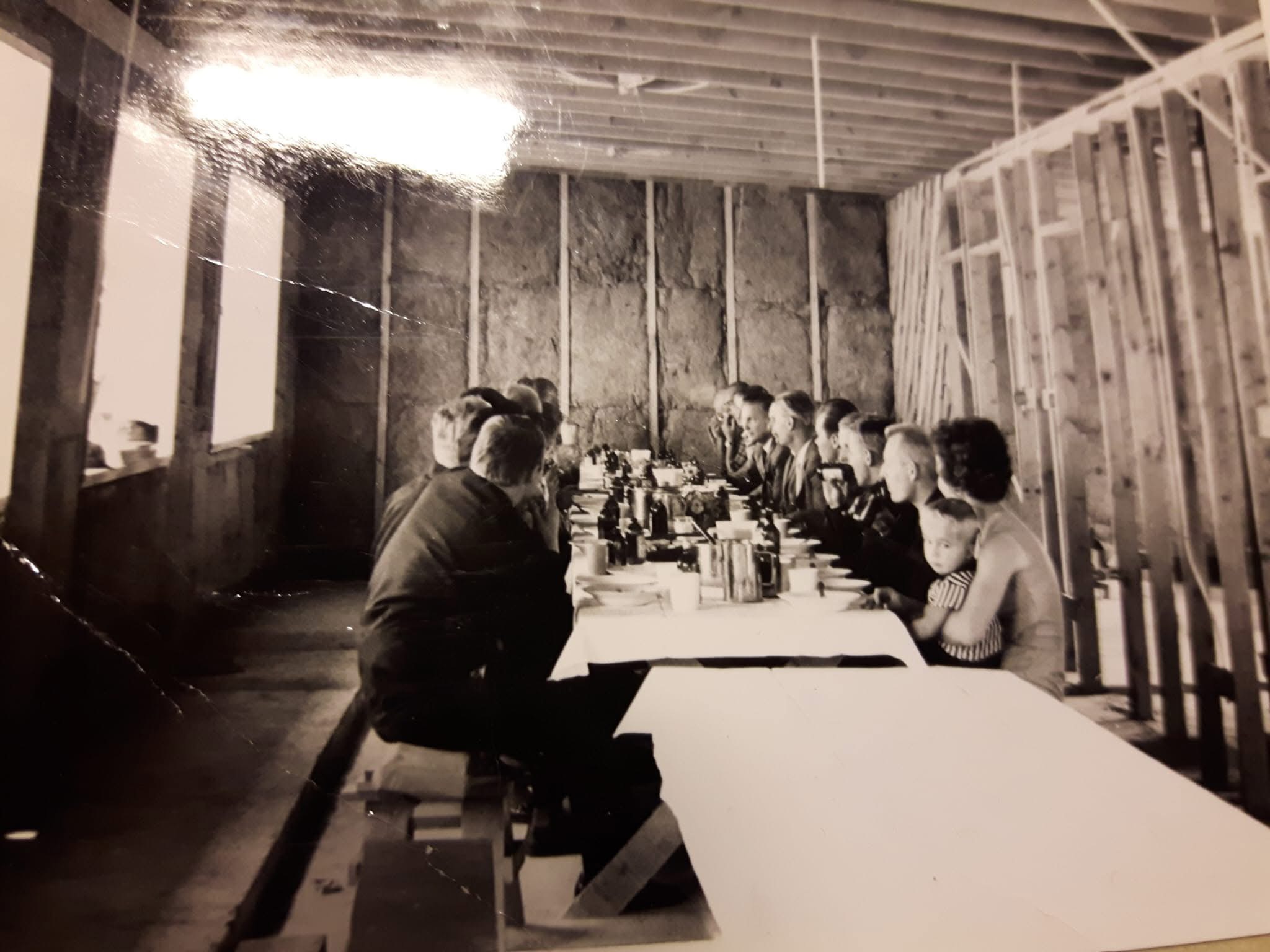
Urho Kekkonen who visited Fagerholm on several occasions and used the services of the coast guard, when he came to the archipelago to fish and used Fagerholm as a dinner place for his entourage. Both Sweden’s and the Soviet Union’s prime ministers have visited Fagerholm with President Kekkonen.
A former coast guard remembers: “We had set up a long table in the new station building at Fagerholm. President Kekkonen with an entourage of 30 people was on a fishing trip nearby and they were going to have dinner with us. The president lived on the island in the house, the other guests slept on board the company’s various boats. I can say that there was a lot of drinking and a lot of laughing. Kekkonen behaved well enough, but my God, the gentlemen were drunk. The fishing was probably bad, there weren’t many who could stand on their feet.”
1983
Maritime surveillance tower was built
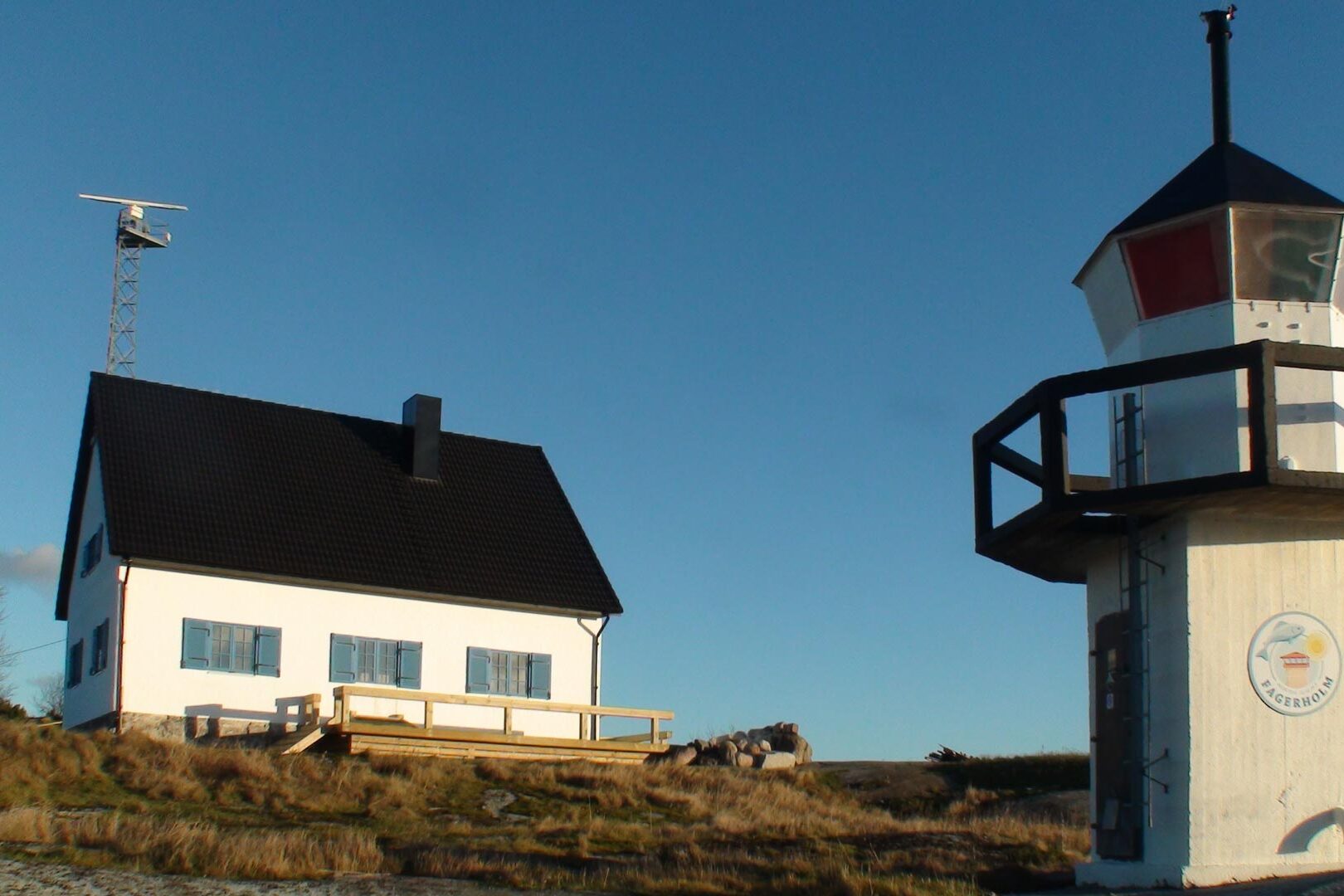
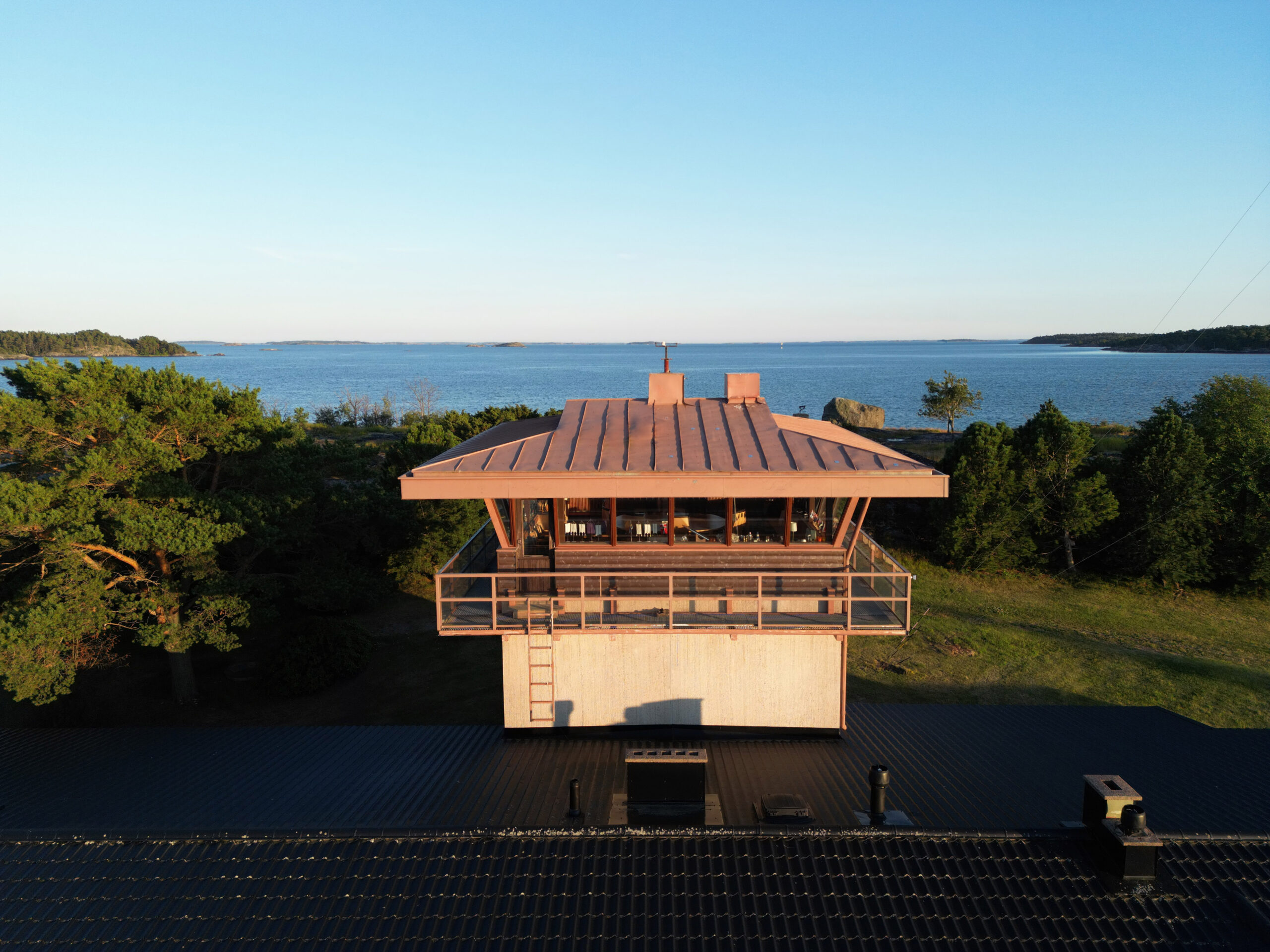
The most eye-catching landmark for Fagerholm is the maritime surveillance tower in the middle of the island. The tower was built in 1983 and has become a symbol of the time when the sea patrol was active on Fagerholm during the years 1931-1993. Today, the Tower’s upper floor is used as a Board Room for key meetings by companies and authorities and where also dinners nowdays can be served.
1994
Coast guard moved to nearby Pärnäs
As the coast guard needed to expand their facilities they moved to a bigger location in Pärnäs, a 15min boat ride from Fagerholm.
2010
Captium Group took over ownership of Fagerholm
In 2009, the Finnish state decided that it was time to sell Fagerholm and in November Captium, a Finnish family company, with history at Korpo island, bought Fagerholm, after discussions and inspections of the history with the Chief of the Finnish Navy, who also was the commander of the military island Gyltö, which was under negotiations for Captium to take responsibility for managing and developing for the future. The plans for Fagerholm were to act as the coordination center and headquarters for these archipelago development activities, as well as to continue to develop the island as a center for special activities and meetings for both business groups and special target groups, as well as to use Fagerholm as Captium’s and its group companies’ offices and conference space in their projects.
2011-2016
Sustainable infrastructure projects
Captium Oy undertook several renovations on the island in order to move the island towards self-sustainability, lower operating costs and enable year-round services to take place.
Key measures have included:
- Replacing oil-based heating with geothermal energy across the island. To reduce our carbon footprint and create more energy efficient buildings in line with the governments climate agenda.
- Solar panels installed to offset summer energy demand.
- Onsite desalination facilities to produce our own water, reducing transport and infrastructure strain.
2022
Large scale renovation of former coast guard accommodation
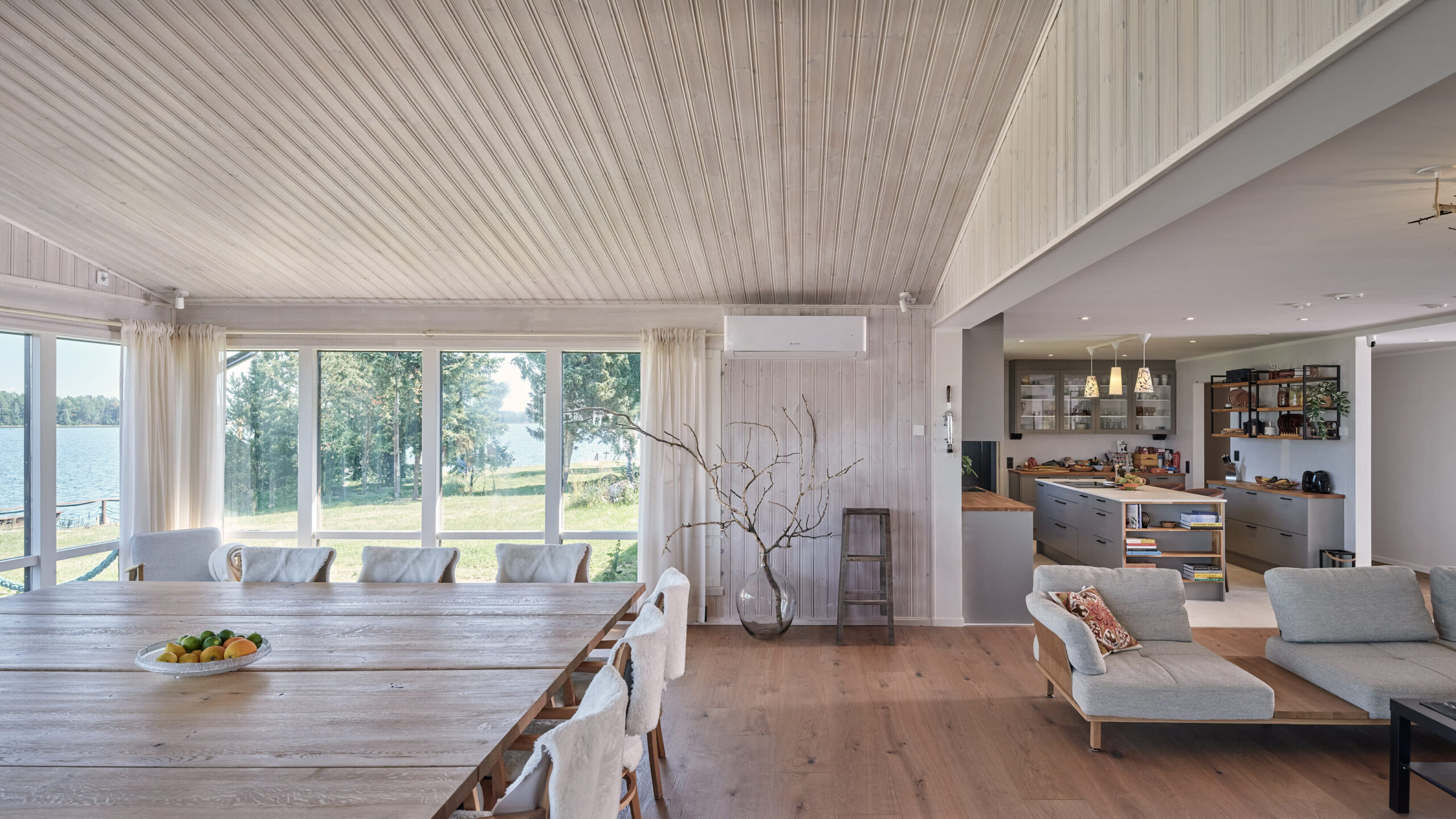
Fagerholm served as a customs and coast guard island for over 350 years. Instead of demolishing and rebuilding, Captium have restored and adapted existing buildings for modern use.
Our mission is also to preserve the heritage and history of the island and we are working with local authorities to protect and maintain the original buildings on the island. This keeps tourism rooted in the island’s authentic narrative and preserves regional history and identity.
2025
Fagerholm launched under a new hospitality concept and brand
Fagerholm Island, quietly opened in 2024/25 with a new look and targeting new customer segments. The goal is to put South Finland and the Finnish archipelago on the global map as a destination for privacy, nature, and authentic cultural experiences. From traditional Finnish-Swedish crayfish parties and Nordic bonfire nights with flower crowns, to three types of saunas, kayaking, and dining in candlelit coast guard houses, Fagerholm offers experiences that are both immersive and unforgettable.

Facilities
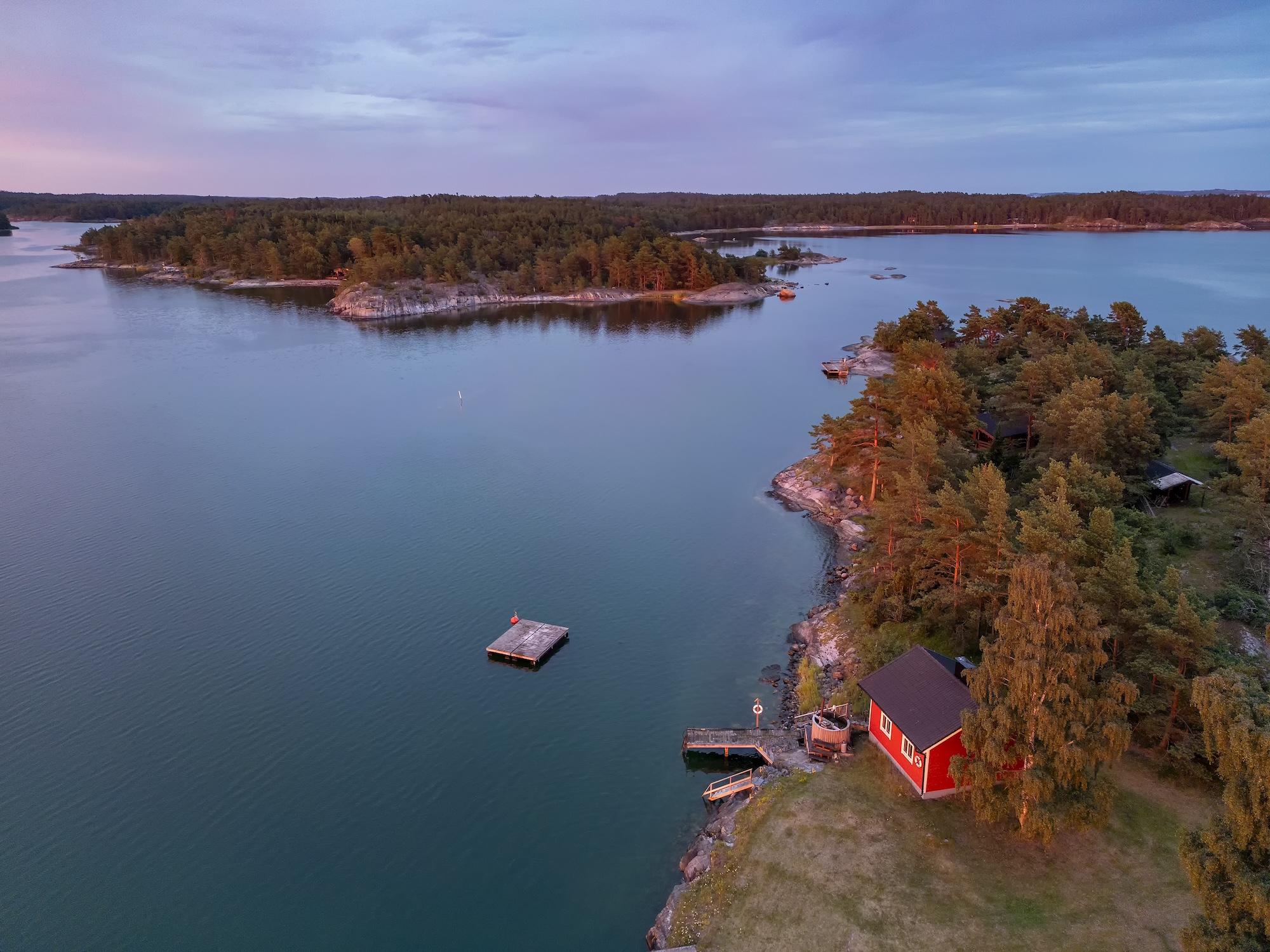
Sauna
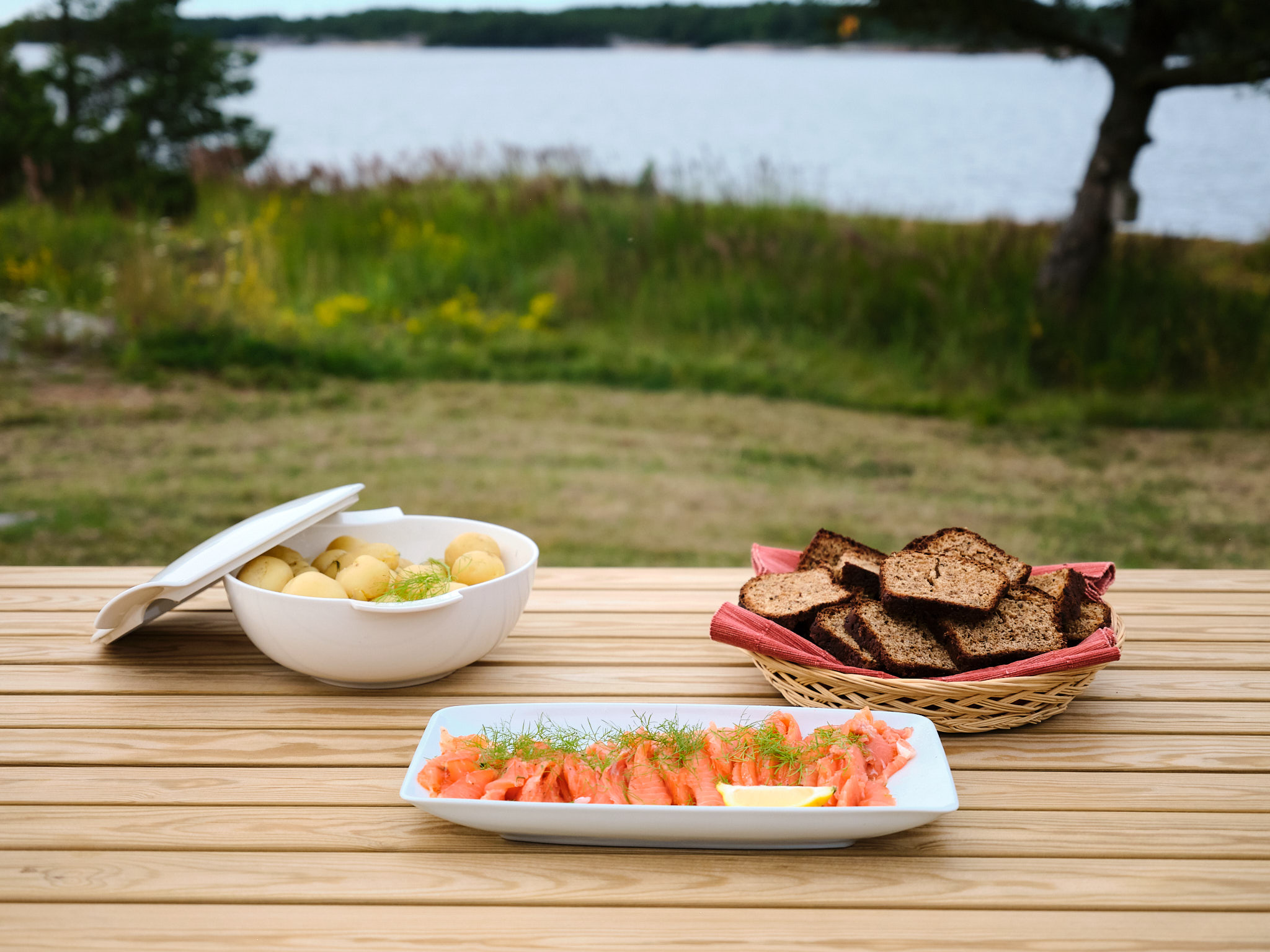
Dining
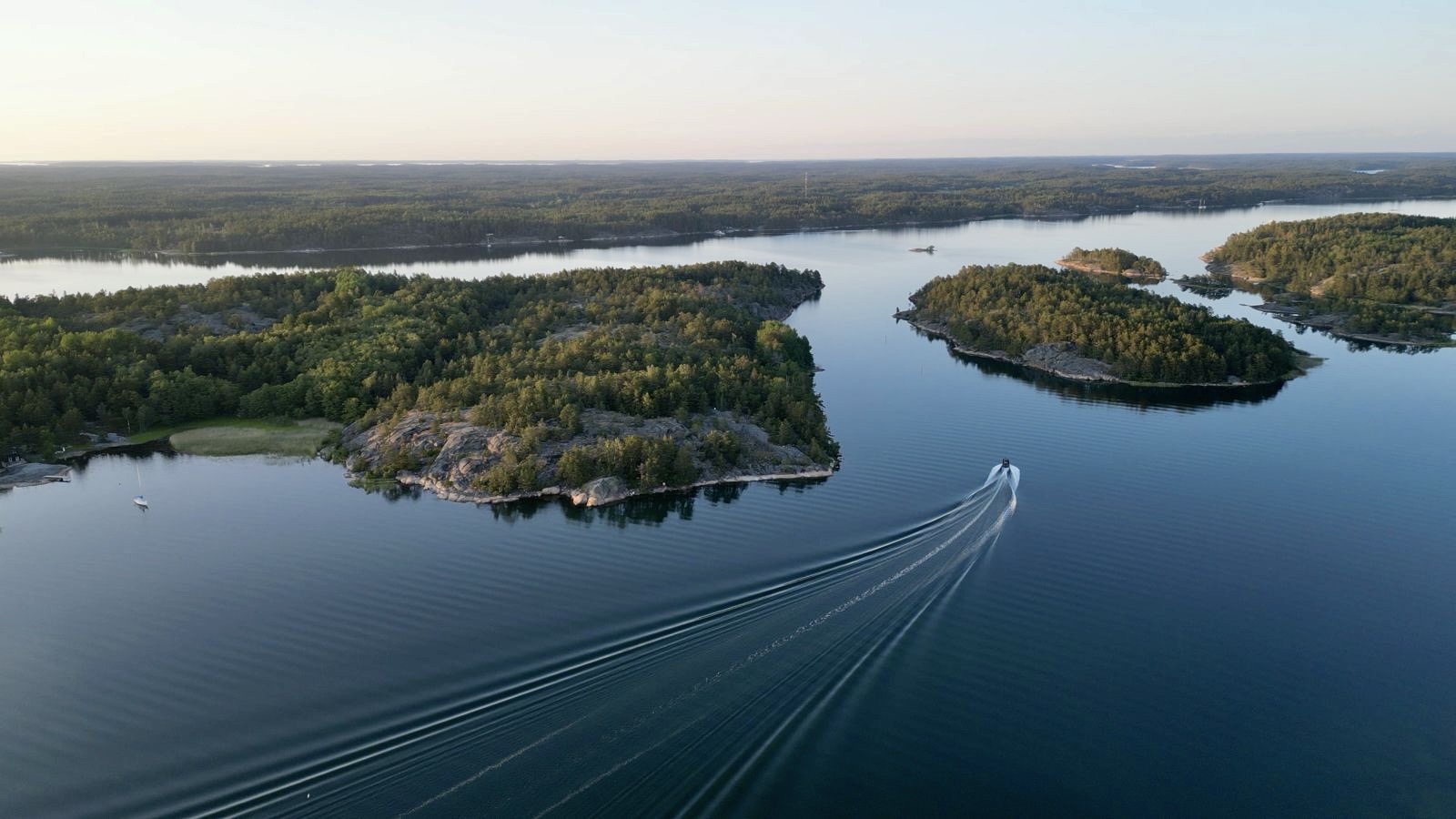
Location